
The Weinstein Investigation
She SaidThis flow traces how a hesitant inquiry grew into a documented investigation that forced a powerful producer’s conduct into public view.
increasing Bearing strength in each event
 decreasing
Bearing strength in each eventdecreasingA Refusal Becomes an Opening
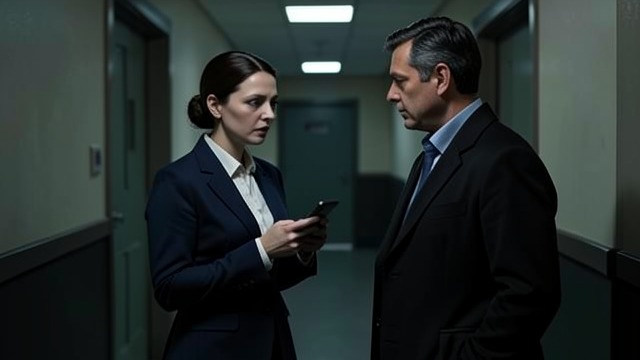
A Refusal Becomes an Opening
A difficult first approach
Rose McGowan initially refused Jodi Kantor’s request to talk, criticizing The New York Times for sexism and saying she was not inclined to help.
A private account
Kantor answered with a record of reporting on workplace gender problems. McGowan agreed to a confidential call and described an alleged assault and settlement, giving the inquiry its first substantial lead.
Searching for a Pattern

Searching for a Pattern
Sources remain distant
Kantor tried to reach actresses directly, bypassing publicists and agents. Many conversations were brief, while former employees often dismissed Weinstein’s behavior as an old Hollywood custom.
A different kind of confirmation
Ashley Judd described Weinstein’s alleged pressure during hotel meetings. Her account suggested the inquiry was not about one isolated encounter but a repeatable use of professional access and power.
The Investigation Gains Evidence

The Investigation Gains Evidence
New voices and old records
Megan Twohey joined Kantor as the reporters sought former employees, settlements, and firsthand accounts. Laura Madden and Zelda Perkins described encounters that shared striking details despite occurring years apart.
From rumor to corroboration
The reporters compared accounts, records, and witnesses rather than relying on a single allegation. That repeated pattern began to make the investigation reportable, though sources still feared legal and professional consequences.
A Company Document Emerges

A Company Document Emerges
Inside knowledge
Irwin Reiter met Kantor privately and described more recent complaints within The Weinstein Company. He eventually let her copy Lauren O’Connor’s memo, an internal account of harassment and a toxic workplace.
The stakes change
The memo showed that senior people had received detailed warnings. It transformed the story from a historical investigation into a possible effort to prevent continuing harm.
Publication and Consequence
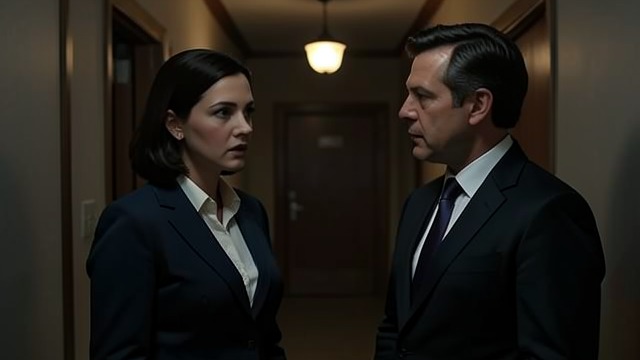
Publication and Consequence
The final confrontation
The reporters gave Weinstein an opportunity to respond, faced legal threats, and resisted efforts to learn their sources. Ashley Judd agreed to be named, strengthening an article built on accounts, settlements, and company records.
Public exposure
The New York Times published its investigation, and Weinstein announced a leave of absence while denying wrongdoing. Women who had not been contacted began approaching reporters with accounts of their own.
May 2017
June 2017
July to August 2017
September 2017
October 5, 2017
